
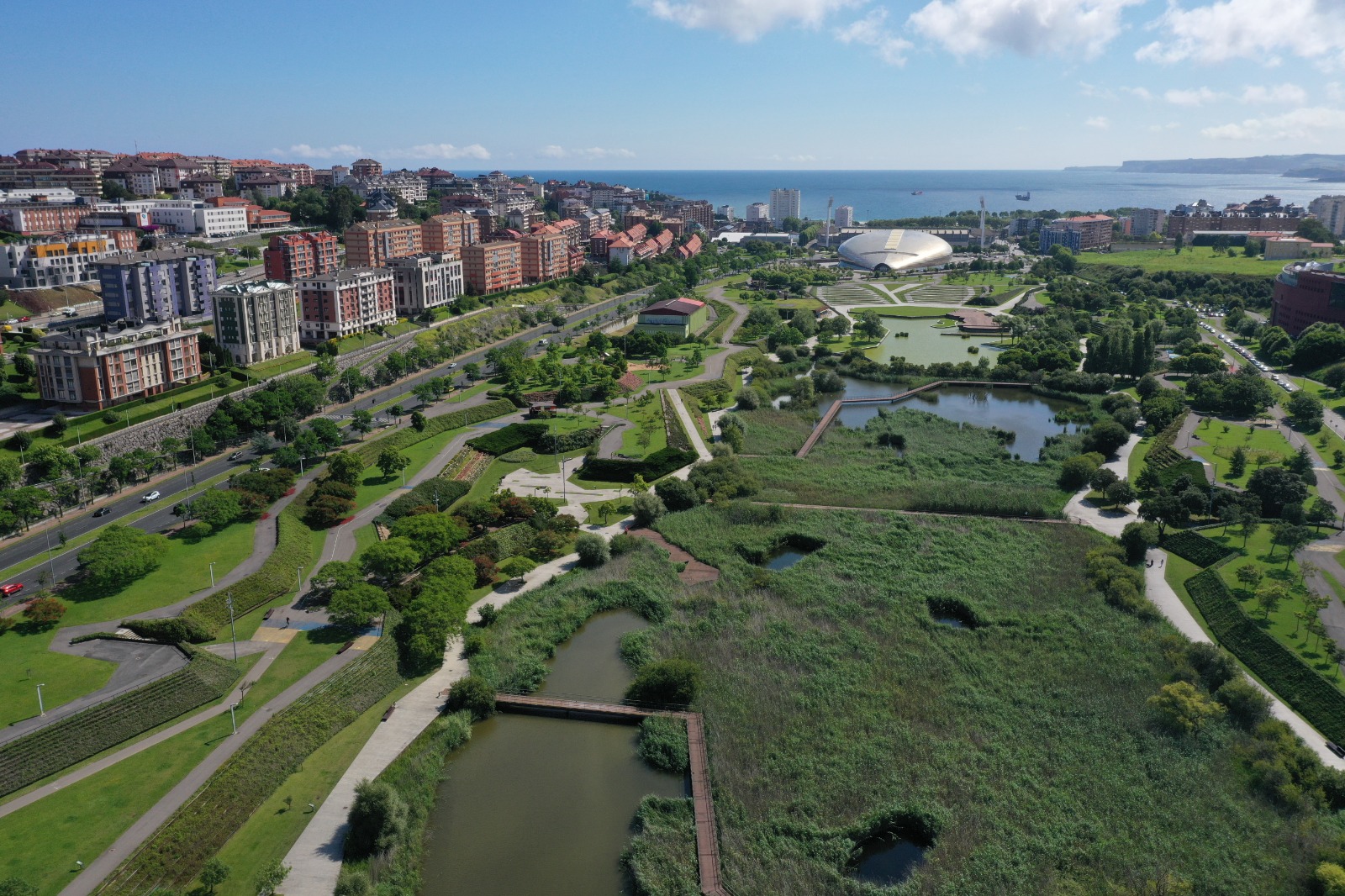
The urban sector is the focus of the fourth sectoral meeting for the development of the Public Policy Plan for Land Stewardship
The LIFE Stewardship project has held the fourth sectoral workshop on land stewardship in urban and peri-urban ecosystems. This meeting follows those dedicated to fluvial, forestry and agrarian sectors, as part of the participatory process for developing the Public Policy Plan for Land Stewardship, one of the project’s strategic outcomes. The plan aims to strengthen recognition, integration, and support for land stewardship as a key tool for biodiversity conservation and territorial sustainability, also in the urban context.
The workshop brought together 32 entities, including public administrations, land stewardship organizations, social organizations, educational centers, and networks linked to urban sustainability.
URBAN SECTOR: AN EMERGING FIELD IN SPAIN´S LAND STEWARDSHIP MOVEMENT
Land stewardship in urban areas accounts for around 3% of all agreements and the total area under stewardship. Most agreements are developed on publicly owned land, positioning local governments as key actors, and rely heavily on urban social networks, such as neighborhood associations, community organizations, and educational centers.
Conservation strategies in this sector differ from others, as the most common approaches are environmental awareness and education, combined with restoration and renaturalization. This reflects the role of urban stewardship as a tool for connecting citizens with nature in densely populated areas. Additionally, urban stewardship demonstrates a particularly relevant capacity to influence local public policies.
SUCCESS STORIES
The workshop analysed the current state of land stewardship in urban areas in Spain, highlighting reference experiences and collectively reflecting on the main challenges and opportunities for its consolidation. During the meeting, illustrative examples were shared, such as the municipal program for community urban gardens in Madrid, which facilitates the transfer of public land for community management, integrating environmental, social, and educational goals. Another example is the school neighborhood stewardship initiative led by Fundación El Castillo in Tudela, which links education, urban regeneration, and community participation through stewardship agreements with local authorities.
The group work session addressed the potential of urban stewardship to contribute to climate resilience, health and well-being, and social cohesion in cities, as well as the need to advance in regulatory, institutional, and funding frameworks to establish stable and scalable agreements. Among the main challenges identified are the reliance on voluntary participation, the lack of specific regulatory recognition, limitations in technical capacity at the municipal level, and the need to finance not only the creation of spaces but also their long-term maintenance and management.
LIFE STEWARDSHIP
The overall aim of the LIFE Stewardship project is to use land stewardship-based approaches to boost collaboration involving public and private entities as well as civil society for nature conservation and restoration in Spain, in the framework of the Europe Biodiversity Strategy 2030 and international agreements.
The project is coordinated by the Biodiversity Foundation of the Spanish Ministry of Ecological Transition and the Demographic Challenge, with the participation of Eurosite, the Forum of Land Stewardship Networks and Entities (FRECT), Global Nature Foundation (FGN), Fernando González Bernáldez/ Europarc-Spain Foundation, SEO/BirdLife and Nature Conservation Network (XCN) as partners. It has the financial contribution of the LIFE Programme of the European Union.